Product Details
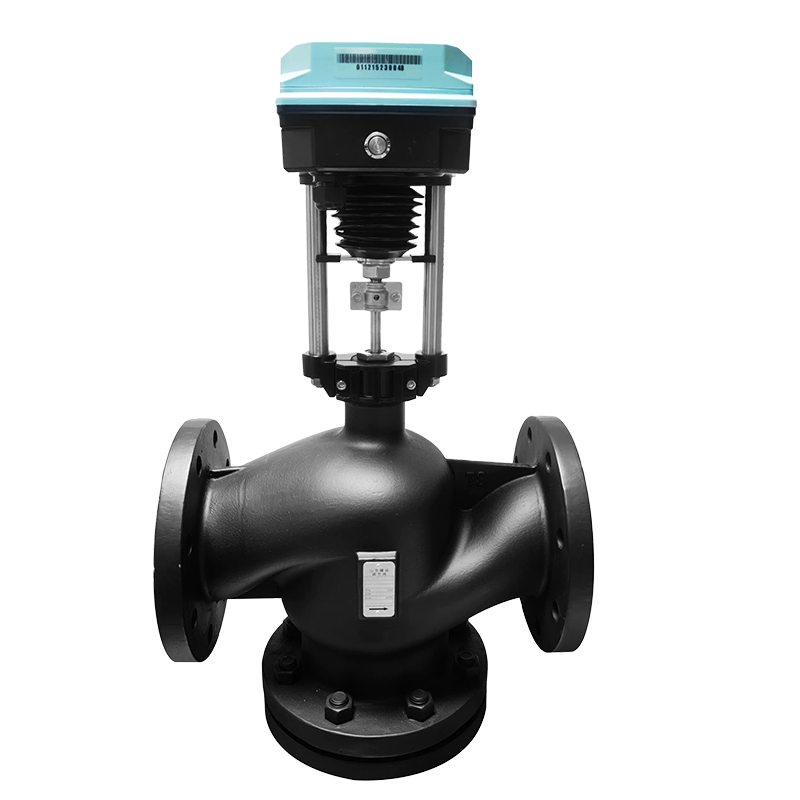
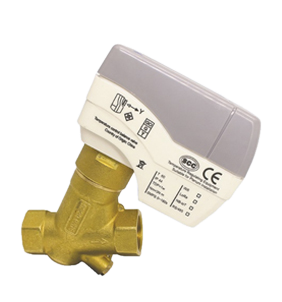
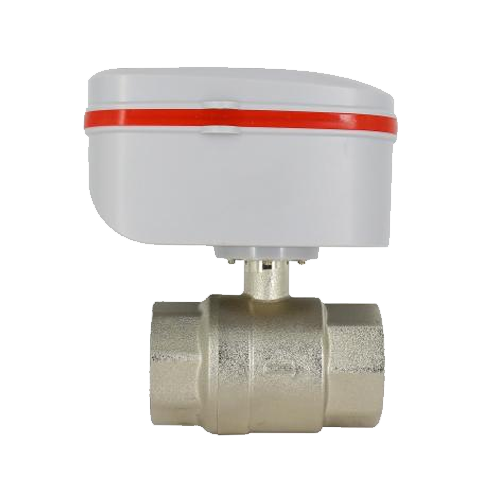
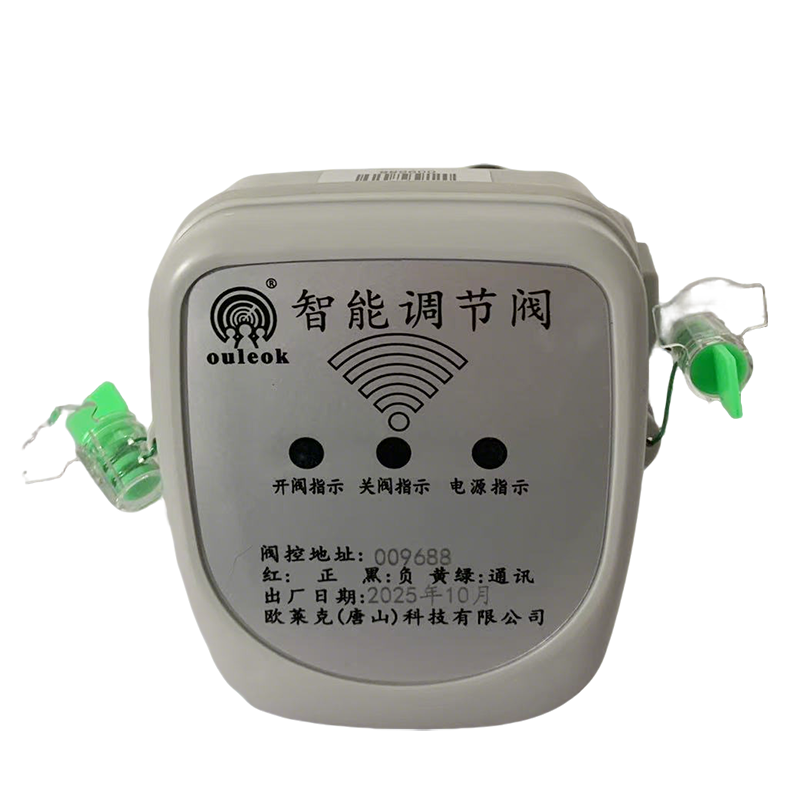
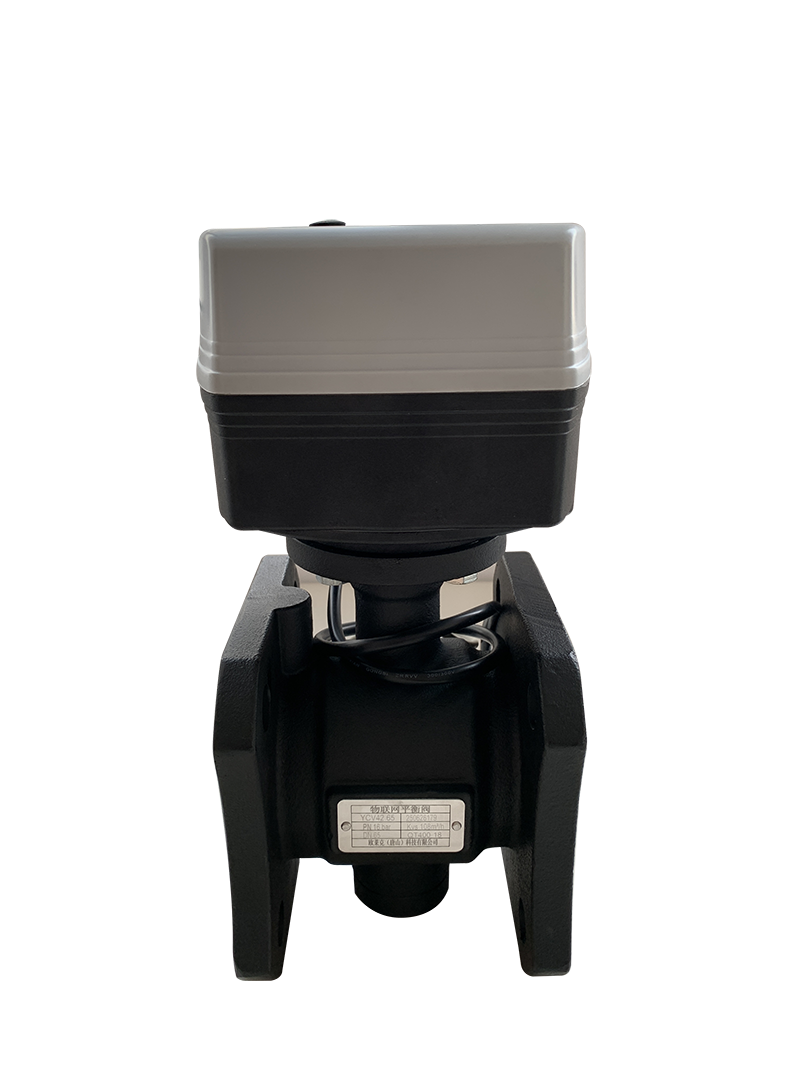
I. IoT Intelligent Control Valve (Unit Valve) The IoT intelligent control valve is mainly used for hydraulic balance regulation between buildings and units at the terminal of the secondary heating network. It effectively solves problems such as excessive customer complaints and high energy consumption caused by uneven heat distribution in the secondary network. Through data analysis via the host computer/platform, it enables functions such as automatic balance regulation, forced regulation, return water temperature detection, and warnings for user water leakage or unauthorized installation of circulation pumps.
Applicable Projects:
- Super-large residential areas: Large heating radius, high number of buildings, significant indoor temperature differences.
- Old residential areas: Lack of balancing control equipment, making thermal balance difficult to regulate.
- Public buildings: Regular zonal heating patterns, enabling flexible time-sharing and zoned control.
II. Main Functional Features
- Remote Control: Supports RS-485 Modbus RTU, M-bus, NB-IoT, Bluetooth, 4G, etc., for easy connection to host computers and mobile apps. Allows real-time access to temperature and pressure data, and enables valve position control and parameter setting via host or app.
- Temperature and Pressure Measurement: The control valve actuator features local display and regulation capabilities.
- Anti-Jamming Design: If the valve is jammed by foreign objects, it automatically stops after a set time to prevent motor burnout.
- Alarm Settings: Configurable alarms for abnormalities in temperature, pressure, opening degree, battery level, etc.
- Target Temperature Setting: Allows setting target temperatures, weighting heat acquisition for buildings of different locations and types to obtain suitable heat.
- Descaling: Periodically removes scale according to set schedules.
- Power Saving: Periodically cuts power to the actuator to save battery life during non-heating seasons.
III. Main Performance Parameters
- Power Supply: DC24V power supply, 3.6V battery optional
- Communication: Wired MODBUS or MBUS; Wireless NB-IOT or 4G, select according to site needs
- Protection Level: IP67 or IP68 optional
- Adaptive Control: Unified issue of target commands between control valves, independent calculation of operating parameters, self-regulation
- Measurement Accuracy: Temperature collection accuracy 0.2°C, valve opening control accuracy 0.2%
- Connection Method: DN40-DN200 flange connection, DN40 and below threaded connection
- Diameter Range: DN40-DN200
- Material: Ductile Iron
- Leakage Rate: Zero leakage
- Flow Curve: Equal percentage flow characteristics
- Temperature Range: -5 to 120°C
- Ambient Temperature: -20 to 55°C
IV. Main Valve Structure Composition
- (Left Top): The valve body has open/close limit positions, ensuring the valve operates within a 90-degree range.
- (Left Mid): The valve body adopts deep cavity sand casting process and spheroidization patent technology; it enhances rigidity and ductility, combining toughness and corrosion resistance.
- (Left Bottom): Uses a special disc spring; while providing pre-tightening force, it reduces friction between the ball and the valve seat, making valve operation torque smaller.
- (Right Top): The valve stem is precision machined, matching with the actuator with high precision; small valve stem return difference, reduced resistance!
- (Right Mid 1): Upper and lower valve stems use self-lubricating bearings, possessing super wear resistance, reducing valve resistance.
- (Right Mid 2): The valve body integrates a sensor sleeve, allowing sensor replacement under pressure.
- (Right Bottom): Special ball body with V-shaped opening, possessing good equal percentage flow characteristics. The ball surface is processed by precision CNC machine tools, capable of reducing leakage. The ball port has hard and sharp edges, possessing a shearing function for the medium.